The Rhythm of Kyoto Tea Masters: A Study in Grace
By Julian Reed • Photography from Kyoto Prefecture
Dawn arrives in Kyoto's eastern hills with a deliberate lack of ceremony. The stone paths of Higashiyama, still damp with overnight mist, reflect the first amber rays filtering through cedar branches. Long before tour groups gather at Kiyomizu-dera, Master Kenjiro Morita sweeps the pine needles from the entrance of his four-hundred-year-old tearoom with a simple bamboo broom.
The Morning Gate
In Japanese aesthetic philosophy, the act of preparing for guests begins outside the physical boundary of the house. The garden path, known as the roji or 'dewy ground', serves as a psychological decompression chamber. Stepping from the street onto irregular flagstones compels the traveler to adjust their stride, cast downward their gaze, and sever ties with worldly hurry.
“Chanoyu is not about consuming green powdered tea. It is the architectural staging of a fleeting moment that will never happen again in the history of the universe.”
Ceramic Wabi-Sabi
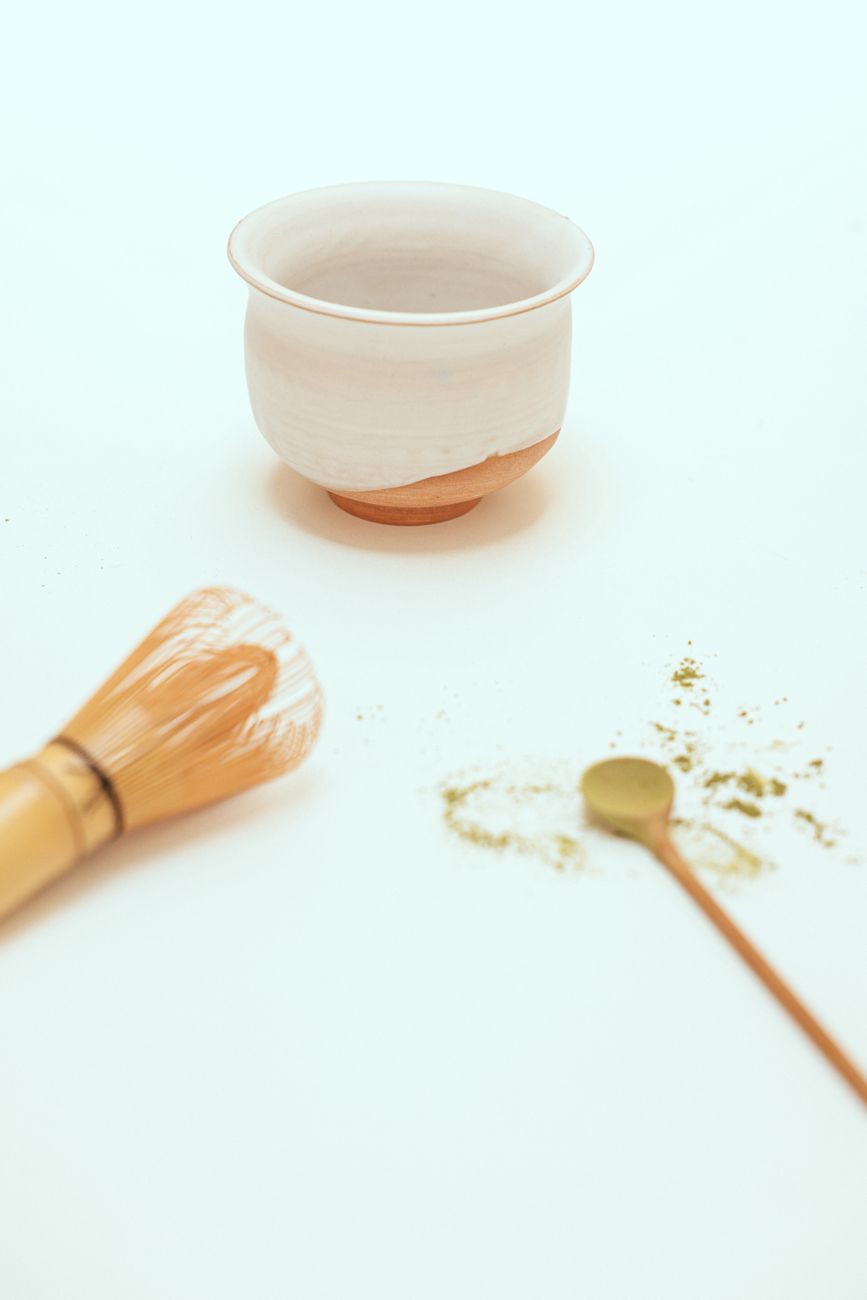
Inside the tearoom, light is filtered through handcrafted shoji screens made from mulberry paper. Master Morita's implements are not prized for flawless symmetry, but rather for their irregularities: a Raku-ware bowl bearing the rough fingerprint of a potter from the Genroku era, a weathered bamboo water ladle carved with slight curvature.
These tactile vessels embody the principle of wabi-sabi: the appreciation of beauty that is imperfect, impermanent, and incomplete. In an era inundated with mass-manufactured plastic and disposable convenience, encountering an object shaped by fire, earth, and human palms four centuries ago instills profound reverence.
Water and Charcoal
The sounds within the tearoom form a silent music: the soft hiss of simmering water in the cast-iron kama kettle, the precise snap of charcoal shifting beneath the ash, the dry brush of a silk cloth folded along geometric lines. Every gesture has been refined over generations to remove superfluous motion.
As travelers observing this ancient rite, our hurried pulse slows. The bitter tang of dark matcha, followed by the subtle sweet aftertaste of a seasonal confection made from white bean paste, grounds the senses entirely in the present tense.
Leaving the Garden
Departing Morita's sanctuary into the afternoon bustle of modern Kyoto, one carries an invisible equilibrium. Travel at its finest does not collect sights like souvenirs; it rewires the manner in which we listen, observe, and breathe inside the ordinary day.
Curious about curated Japanese journeys?
Our studio arranges private interactions with traditional master artisans across Kyoto, Nara, and Kanazawa.
Consult Our Desk